On a crisp October early morning I viewed a gelding named Precursor pause at the limit of the field. Maple leaves skittered throughout the sand, wind snapping at the banners, and a teen with a history of anxiety attack grasped the lead rope like it was a lifeline. Scout exhaled, long and low. The teen mirrored him, not because I cued it, but due to the fact that the audio and the change in his ribcage made it tempting to adhere to. Their shoulders went down at the very same time. The herd in the nearby paddock softened their ears. The gust passed. That three-breath reset changed the remainder of the session.
Moments like these are the heart of somatic recovery with equines. We do not require calm. We co-create sufficient safety for the nervous system to observe possibility, after that allow the body make the following appropriate action. Seasons matter below as well. Horses live close to weather, light, forage, and herd rhythms. When we align sessions with those cycles, we make it easier for human bodies to keep in mind their own timing.
Why equines help bodies remember
Horses are prey pets. Their survival depends upon tracking subtle shifts in the atmosphere and in each other. A flick of an ear, a fractional breath adjustment, micro-movements in the flank, the sound of a boot on crushed rock. They review it all. This is not necromancy. It is sensory processing, fine-tuned across millennia, and it is contagious. When a person steps into that area of focus, our very own somatic signs get intensified. That can feel intense in the beginning, after that surprisingly alleviating as soon as there is area and framework around it.
In healing horsemanship and various other equine-assisted services, we make use of that all-natural attunement to exercise law in genuine time. The equine is both partner and mirror. Walk also rapid and the lead line tightens, the equine wanders away, or stops. Breathe shallowly and you may discover the equine lift their head, after that settle when you soften. These are micro-biofeedback loopholes, disconnected from screens and laboratories, based in hooves and hay.
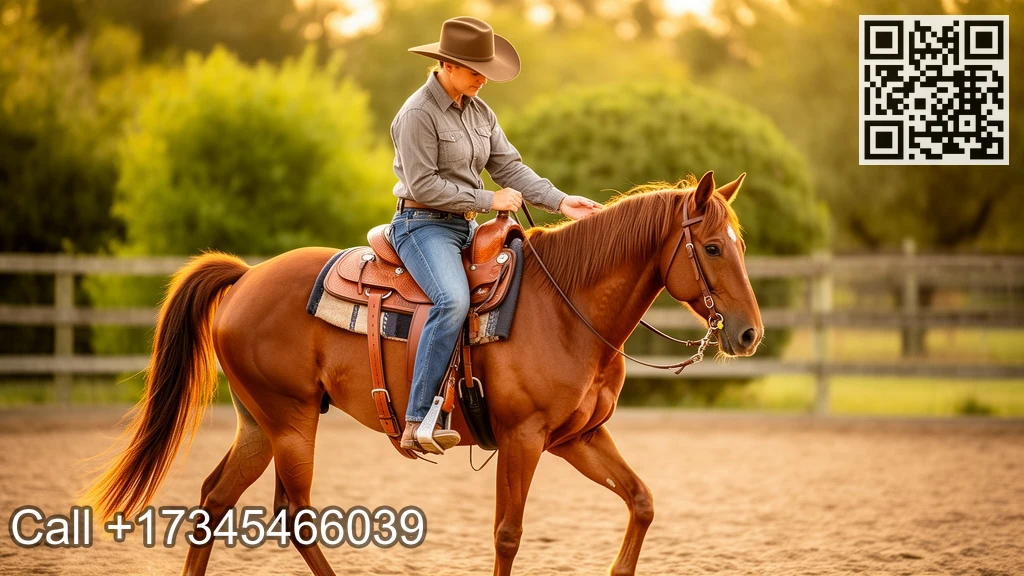
There is research study suggesting that time with equines can enhance heart price variability, a pen associated with tension strength. I have actually also seen individuals relocate from trembling hands to consistent tasks in a single session, without a solitary pep talk. The body learns by doing, specifically when touch, balance, rhythm, and clear boundaries are involved.
Somatic tools we obtain from the herd
An excellent equine-facilitated health care does not simply add a horse to talk therapy. The body is the classroom. We tend to begin on the ground, due to the fact that foundation keeps selection front and facility. Individuals can step more detailed or farther, request activity or tranquility, and see what each alternative does inside their skin.
Here are a few of the patterns that constantly assist:
- Matching breath to movement. The horse strolls, we stroll, and we rate breathe out to the audio of hooves. You can measure the change by watching shoulders level out and wrists quit fidgeting. Pressure and launch. Ask a step with a light cue on the lead rope, release the immediate the steed tries. The timing matters greater than stamina. Bodies find out that initiative finishes when the job is done, which is a powerful remedy to persistent overwork. Boundary quality. Horses are generous with comments about individual area. If someone tends to disappear in crowds, practicing a square quit and a hand signal to give the steed area can be revelatory. If a person tends to press as well hard, discovering the soft ask that gets a far better action can rectify force. Bilateral rhythm. Leading via a figure or weaving cones offers left-right input to the nervous system, which typically smooths rugged attention. Co-regulation via grooming. Lots of people with sensory challenges require even more control over input. A soft brush on the shoulder blade, then stopping briefly to look for stress preference, gives company. The steed's slow-moving blink while being brushed is not a technique. It is a hint that your speed is translating.
The approach name modifications based upon program focus. I use experiential discovering with equines when the objective is ability building or leadership. Equine-assisted activities fit recreational and developing aims. Equine-assisted coaching concentrates on personal or expert development. All share the exact same core: symbolized finding out with a responsive, sincere partner who can not make believe or flatter.
Pacing with the seasons
Horses draw us into seasonal understanding due to the fact that their needs change month by month. If you try to run the exact same strategy in July sun and in January wind, you will certainly deal with nature rather than riding with it. I build my calendar around 4 arcs.
Spring is primed for inquisitiveness and reboot. Metabolic process ramps up as fields environment-friendly, daylight stretches, and the herd gets lively. Procedure in springtime often emphasize orientation. We invest even more time welcoming each equine at the gate, naming smells in the barn, seeing which component of the body wishes to relocate initially. For a young person with ADHD, spring can be a gift and a threat. Power is high. We carry it into pattern play, like ground posts embeded in spirals, short trots in between stillness, or scavenger hunts for grooming tools that require sequencing.
Summer asks for steadiness and clever borders with warm. Early mornings end up being prime equine-assisted coaching time. Shield, water breaks, shorter periods, and a slow-on function strategy aid keep everyone comfortable. This is a penalty home window for confidence structure and for team structure with steeds. I commonly run 90-minute equine-facilitated mentoring sessions for job teams in summer season, with clear objectives such as trust fund calibration or offering and obtaining responses. The warmth pressures honesty. If a leader can not connect a clear ask in 10 words or less, the group and the steed lose interest promptly. Real-time comments saves hours of conferences later.
Autumn transforms the quantity down and depth up. The air hones. Steeds track wind and unpredictable surface areas, that makes this a good period for refining equilibrium and versatility. For stress and anxiety support with equines, I such as to match loose lead walking with specific option points. Do we stop briefly at the gate or go through, do we circle the scary tarpaulin or investigate it. The nerve system finds out that concern signals details, not command. Autumn likewise sets well with sorrow job. I have actually seen people lay a hand on a warm neck and let the weight of a tough year step via without words, like fallen leaves loosening up from a branch.
Winter is a research in essentials. Cold influences experience. The sector could be grinding underfoot, breath programs in clouds, and steeds are frequently calmer if turnout is consistent. Winter season sessions typically highlight sluggish stamina, rests, and heat. For clients with sensory sensitivities, we prep a lot more thoroughly. Think split apparel without any scratchy seams, hand warmers for fingertips, and grooming devices that feel excellent with handwear covers. When riding, if we ride in any way, we maintain it short and focused, frequently favoring bareback pads for more responses and core activation. On extreme weather days, barn sessions with freedom work or stall-side connection maintain the thread alive.
The big point is not to glamorize weather. It is to value that our biology pays attention to light and temperature level. If a program claims to function similarly year-round, it likely misses possibilities to partner with the setting rather than fighting it.
Who has a tendency to benefit and exactly how we tailor support
Anxiety turns up as bracing, scanning, or a troubled requirement to move. The horse feels that as press or freeze, then responds to truthfully. We damage cycles without shaming. A regular route for anxiousness support with equines starts with predictability. Very same equine for several sessions, same brushing order, very same initial pattern. Once baseline trust is set, we present little choices to reclaim firm. I have seen panic-prone teens find that the only means to ask a thousand-pound animal to tip is with a softer hand and larger breathe out. When their body gives that, their heart follows.
For ADHD equine finding out support, motion is a feature, not a flaw. We aim for short, varied jobs with crisp responses. Build a cone pattern, test it with the steed, modify, try again. The steed's instant action to a clear hint beats any type of lecture about emphasis. We additionally lean right into hyperfocus as a resource. If a customer enjoys the problem of obtaining an excellent side pass over a post, we use that to educate chunking, time understanding, and aggravation tolerance.
With the autism equine discovering program at our ranch, we embellish sensory profiles before we ever before fulfill a horse. Some participants enjoy deep pressure and rhythmic brushing however do not like light touch. Others long for predictability in noise yet delight in uniqueness in movement. We begin with yes. If the clink of a metal breeze is as well sharp, we switch over to rope halters. If fluorescent barn lights flicker, we work outside. Approval is specific. I wish to see the horse and the human both selecting the communication. Eye call is optional. Shared alignment is enough. Over months, lots of participants broaden their home window of resistance and social communication normally, without piercing social scripts.
For people with sensory handling differences much more broadly, equine-assisted services can be a clean choice therapy for sensory obstacles due to the fact that input is whole-body and rated. You can really feel a warm muzzle, odor hay, hear hoofbeats, sense vibration with the ground, and move in rhythm, all while having the ability to go back the minute it is excessive. That control is gold. It trains the nervous system to modulate, not just endure.
I additionally deal with grownups recouping from exhaustion and trauma. Equines do not rush. They do not compliment your performance. They just ask, are you right here. If the answer is no, we pause up until the body answers yes. It sounds basic. It is not. However the somatic memory of that yes has a tendency to stick.
Safety and ethics that allow finding out happen
Good equine-assisted activities rest on strong safety and security and pet well-being. Helmets for mounted work, boots with a heel, clear area, and a retreat path in every configuration. A horse suited for this job is audio, people-oriented, and enjoys the job. Some of my best companions are retired program horses with miles under saddle and a soft eye. We restrict hours, revolve tasks, and monitor for signs of tension like pinned ears, tail swishing, or rejection to approach. A program that offers individuals by neglecting the steed is not a healing program.
We additionally check extent. Equine-assisted coaching is not psychiatric therapy. I usually team up with specialists or occupational therapists when the goals cross right into clinical territory. That teamwork keeps duties clean and customers safer.
An initially session that invites the body, not simply the mind
People ask what to expect. Right here is a regular flow for a very first check out, adjusted for age and requirement. We begin on the ground. We could never mount in the very first couple of sessions, because hurrying to riding avoids the extremely thing that recovers: slow-moving, common choice.
- Arrival and alignment. Explore the room, fulfill team, view the herd from a safe range, and name 2 exits in every pen or arena. Predictability decreases standard arousal. Consent and choices. Sensory check, likes and disapproval, stop signal set for both human and equine. We choose a secure word or gesture. Greeting and analysis. Method along the shoulder, name what we discover out loud. Consider ear placement, breathing, eyes. Technique actioning in and out of individual space. Grooming for co-regulation. Start with a curry or soft brush on huge muscular tissues. Time out typically. If the steed licks and chews, blinks gradually, or sighs, we notice our very own body too. If the horse stiffens, we lighten or move. Pattern with purpose. Lead through a brief course, maybe a figure eight, with focus on breath-matched steps. We end with a small success and a thank you to the horse.
The entire see could run 45 to 60 minutes. That is enough time for one nerve system change, not so much that we blow out the circuits. If a person arrives supported versus touch, we might do absolutely no grooming and merely stand near the fencing with each other. Success is specified by the body, not the plan.
Teams, leaders, and steeds that do not review résumés
When I facilitate team structure with horses, I maintain the goals behavioral, not abstract. Trust, quality, limit, and healing from mistakes are the typical core proficiencies. A classic workout is relocating a steed through a novel obstacle, like a drape of pool noodles or a line of ground posts, utilizing just nonverbal hints. The instantaneous responses is humbling and funny. If someone attempts to control, the horse plants his feet. If the group overthinks, the equine forages. When the group syncs breath and objective, the equine goes through as if it was nothing.
The transfer to the workplace is not unclear. A leader who can not manage in the sector under mild stress frequently battles in the conference room when stakes are high. The horse provides a location to practice recovery without the expense of a shed offer or a damaged relationship. After a few runs, we debrief in concrete terms. What did your body do when the steed claimed no. That went back to listen. Did you commemorate the small shot, or did you miss it and press past the learning moment.
I keep group sizes little, typically 6 to 8 people with two horses and two facilitators. Ninety mins is a pleasant area. Anything much longer becomes exhaustion unless we construct in breaks. Individuals leave dusty, smiling, and unusually truthful with each other.
Weather-aware practices that take a trip home
Equine-facilitated health is not a solitary magic session. The body finds out in layers. Between visits, I urge basic, season-tuned practices that echo what the horse educated. In springtime, take a two-minute alignment stroll in a park, eyes scanning perspective to close-in information, calling colors. In summer season, technique sluggish exhale breathing seated on a deck at dawn prior to the day accelerates. In fall, grab something somewhat hefty, like a grocery store bag kept in both hands, and really feel the ground while you breathe. In winter, cover in a warm blanket, press your back to a firm surface like a wall, and let your lungs relocate the textile. None of this needs an equine, though the equine educated it.
When clients return to the barn, their bodies remember more quickly. The sessions deepen.
Handling edge instances and difficult days
Not every session floats. Windy days can spike reactivity. A person gets here underslept and overcaffeinated. An equine is grouchy since the farrier was just there. Right here is where experience issues. I have called sessions early due to the fact that the herd power was off. I have actually exchanged a huge extroverted equine for a tiny, older mare that chooses silent, because the customer's hands were jittery and the suit would certainly have been unfair. I have relocated a session from the field to the round pen due to the fact that the echo of a roofing project caused a customer with an injury background. None of that is failure. It is the work.
There are additionally limits we hold hard. If a customer intends to ride without showing regular regard for individual area on the ground, we wait. If a parent presses a kid to pet dog a horse when the youngster's body is plainly saying no, I side with the no. The long-term partnership with depend on is more crucial than the temporary photo.
What progress resembles, in numbers and stories
People usually want metrics. I track points like time to baseline calmness at the start of a session, number of effective asks without rope tension, and self-reported stress and anxiety on a 0 to 10 range prior to and after. Over 8 to 12 weeks, several clients see a drop of 2 to 4 points in viewed anxiety after sessions, with the after-effect enduring longer across the arc of the program. That is not a randomized trial, yet it is consistent enough to intend around.
Stories make the numbers breathe. The teen from the opening scene maintained beginning Friday mornings with winter months. By February, he was picking the bus over parent drop-off once a week, an objective we linked to walking Precursor into the field without my hand on the lead rope. He said the bus aisle felt like the area between cones. He took a breath and let people pass. On days the wind roared, he asked for the smaller sized mare and we adjusted. That is progression: particular, lived, and portable.
Another client, a software application project supervisor, brought her team for 3 half-day equine-facilitated training sessions spread across a summer season. Their deliverable rate did not change overnight. What transformed initially was their post-mistake repair service time. After session two, they began calling misses within 24 hours instead of allowing them smolder for a week. In the arena they had actually found out that owning a missed out on sign got the steed interested again. They took that home.
Building a program that fits you
If you are vetting a program, ask a couple of grounded concerns. What steeds do you use, and just how do you check their health and wellbeing. What is the personnel's training in equine habits and in human assistance. Exactly how do you deal with authorization for participants that are nonverbal or that interact in different ways. What is your weather condition method across seasons. Exactly how do you adapt for sensory needs. If the responses are vague or defensive, maintain looking.
A great program is transparent concerning extent. It understands when equine-assisted services are the right fit, and when a referral to a different method is better. It can articulate why it selects groundwork over riding for specific goals. It will additionally happily work together with your therapist, medical professional, or school group if that helps.
A small pocket toolkit you can start today
You do not need a barn to start syncing with nature and your nerves. These are light-touch practices I educate in the field that operate at home too.
- Exhale lengthening. Four count breathe in, 6 to 8 matter exhale, for 3 rounds. Utilize it at gates, doorways, or prior to you open your laptop. Orient with your detects. Call 5 things you see, 4 you listen to, 3 you really feel on your skin. In springtime and fall, take this outdoors for richer input. Square quits. When strolling, choose a marker in advance and quit with even feet under hips. Let your arms hang. Feel your soles. After that go. It educates decisive pause. Gentle stress reset. Press your back versus a wall or sit with a company cushion at your reduced back. Breathe up until your shoulders decline. Horses lean on fencings for a reason. Rhythm check. Slap or touch a stable beat for thirty secs, after that match your actions or your breath to it. Your body likes rhythm the way steeds love herd.
Practice a couple of times a day for a minute or 2. Think about it as pleasant upkeep instead of a fix.
The quiet present of the calendar
I have learned most of what I recognize not from books, but from turning up in all weather conditions with the exact same herd and enjoying what changes. In March, throats thaw and steps quicken. In July, we look for color and let the day be straightforward. In October, leaves murmur and bodies let go. In January, the skies is bright and bare, and a warm muzzle versus a wrist claims enough.
Somatic recovery with horses is not regarding turning individuals into bikers, though some end up caring that also. It is about learning to befriend a body that has excellent factors for its routines, then supplying it kinder alternatives, paced by light, wind, and the consistent business of another being who listens with their whole self. When nature and nerve system sync, initiative eases. You do not compel breath. You observe it. You match it to hoofbeats. You stroll on, season by period, with adequate soft qualities to keep going and enough framework to really feel safe.
Happy Hooves Wellness
9177 Gross Rd, Dexter, MI 48130
+17345466039
https://www.hhooves.com/